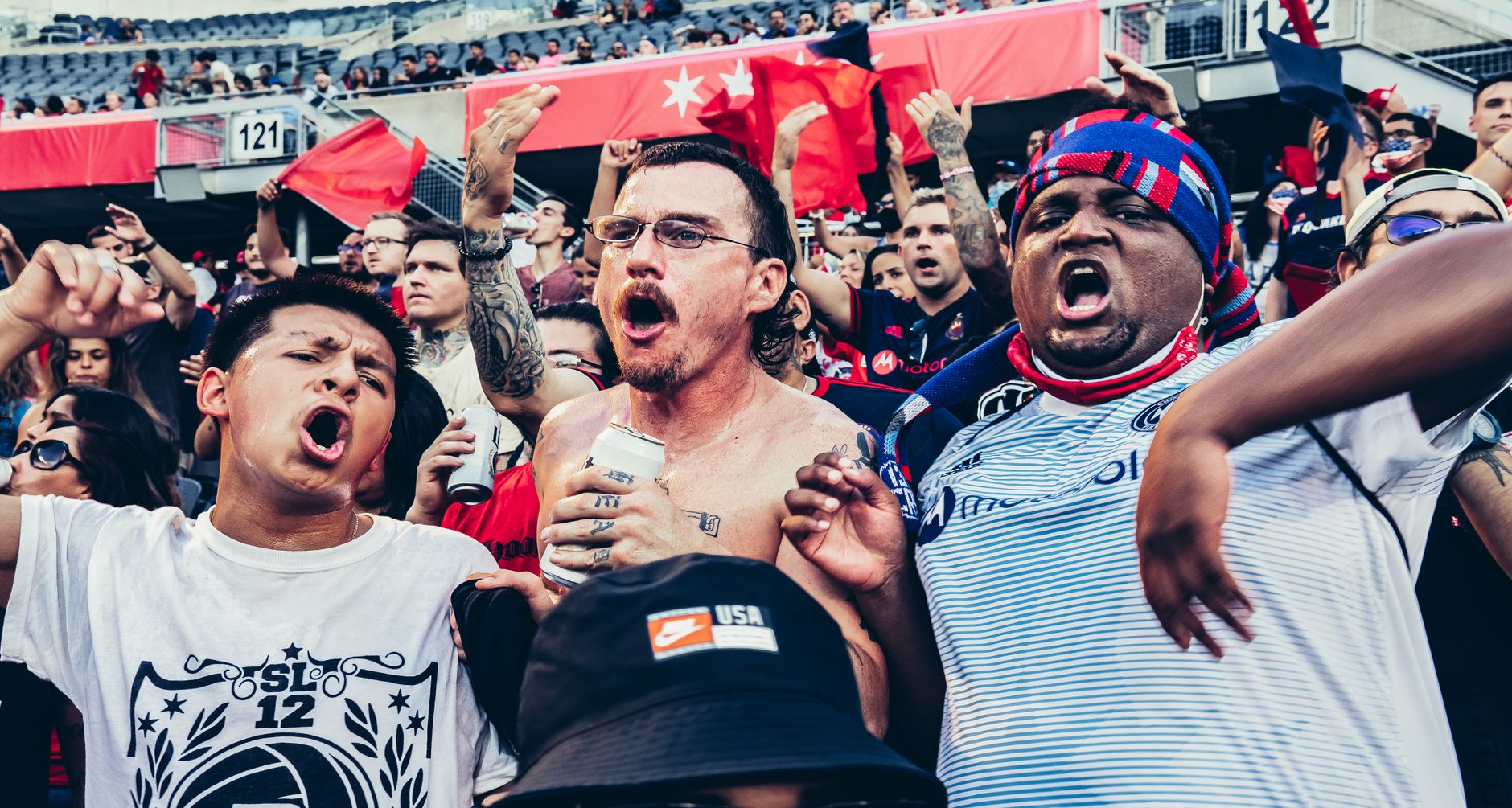
Inter Miami CF finds itself navigating a delicate situation off the pitch, entering into formal discussions with its prominent supporter group La Familia after a fan protest and a controversial chant raised serious concerns within the club's community, according to reporting from the Miami Herald.
The situation highlights a tension that has been quietly simmering between the club's front office and its most passionate supporters — a dynamic that is far from unique in American soccer but one that carries extra weight given Inter Miami's global spotlight. With international stars on the roster and worldwide media attention, how the club manages its supporter culture matters both locally and on a broader stage.
Supporter groups are the heartbeat of any soccer club. They show up early, they stay late, they bring the noise and the color that transforms a stadium into something electric. But that passion can sometimes spill over in ways that put clubs in difficult positions — and that appears to be exactly what has happened here. The controversy surrounding the chant in question has put Inter Miami in a position where it must balance respecting its supporters while also upholding standards of conduct that reflect the club's values and responsibilities.
What makes this story particularly significant for MLS fans across the country is that it touches on a universal challenge: how clubs and their supporter cultures grow together — or sometimes clash. Every MLS market has its own passionate ultras, supporter sections, and organized groups who invest enormous emotional and financial energy into their teams. When friction develops between those groups and front offices, it rarely stays quiet for long.
The fact that Inter Miami has chosen to enter into talks rather than issue a top-down directive is, on its face, an encouraging sign. Open dialogue between club leadership and supporter groups tends to produce more durable solutions than unilateral decisions handed down without input. Fans want to feel heard, and clubs that make that effort typically strengthen long-term loyalty.
This story is also a reminder of how the culture of soccer fandom in the United States continues to evolve. As the sport grows — fueled in part by the excitement building toward the 2026 FIFA World Cup, which will see matches played across North America — the standards for supporter conduct and club accountability are being raised alongside it. American soccer fans are more sophisticated and more vocal than ever before, and they expect their clubs to meet them at that level.
How Inter Miami and La Familia resolve this situation could serve as a model — or a cautionary tale — for other clubs navigating similar dynamics. All eyes will be on South Florida to see how both sides move forward.